| Glossary of Common Terms |
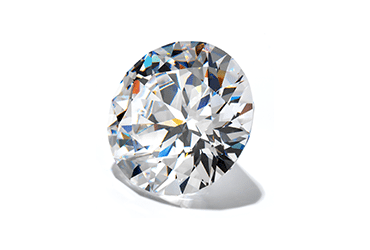
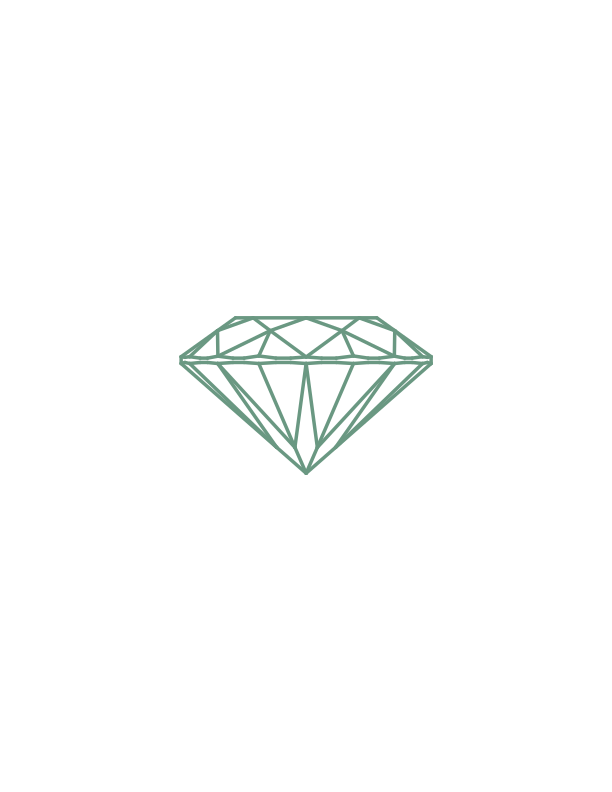
![]() Below is a primer for the major definitions of the Performance-Based Diamond Cut Grade system. Angular Spectrum Evaluation Tool ( ASET ) The ASET is a proprietary viewing device created by the American Gem Society. The ASET color-codes the angular ranges from which a diamond draws or gathers light. Angular Spectrum Software Evaluation Tool ( ASSET ) The ASSET is an AGS software program used to establish a diamond cut grade. Brightness Brightness is the amount of white light a diamond gives off. Brilliance Brilliance factors in both a diamond’s brightness and contrast. When a diamond gives off a large amount of light through the table, it is considered brilliant. When some facets are darker than others in intense lighting (think sunlight), the diamond will appear brighter. Contrast Contrast is the effect created by the light and dark patterns seen when observing a faceted diamond. This can be positive or negative in its optical effect. Usually it is caused by, but not limited to, the observer's head. Crown The Crown is the uppermost part of a diamond. Culet The Culet is the point on the bottom of a diamond's pavilion. A diamond's Culet may be pointed, or it may be blunted with a small facet. Dispersion Dispersion is the separation of white light into colors by the refraction in a diamond. Durability Durability is a diamond’s resistance to chipping or breaking. Fire Fire is the amount of rainbow colors coming from a diamond. Girdle The Girdle is the widest part (outer edge) of the diamond. Leakage Leakage is defined as the areas in a diamond that do not return light. Light Performance Light Performance is an analysis of brightness, dispersion, leakage, and contrast in a diamond. Luster Luster is the quality and quantity of light reflected from a gem's surface. Pavilion The Pavilion is the lower part of the diamond. Polish Polish is the quality of the diamond's surface and edges. Proportions Proportions are the size and angular relationships among the main parts of the diamond. AGS Laboratories diamond graders consider the following factors when evaluating Proportions: Table Size, Crown Angle, Girdle Thickness, Pavilion Angle, and Culet Size. Shape Shape is the outline of the diamond, like marquise, pear, or oval. Don’t confuse it with Cut — many people do. Symmetry Symmetry is the exactness of the balance and evenness of the diamond's shape and face. Table The Table is the flat facet in the top part of a diamond. Tilt To understand Tilt, you need to know these three terms: Girdle, Table, Pavilion. With these terms in mind, Tilt is the point at which the girdle reflects in the table of a diamond. It is defined by the minimum Pavilion angle allowed for each table size. Weight Ratio The Weight Ratio is the millimeter footprint of a diamond versus its weight. |